Keeping food cold without a fridge while camping may sound like a challenge, but with the right gear, preparation, and a few clever techniques, you can enjoy fresh meals—even in the heat of summer. Whether you’re car camping in the woods or heading out on a multi-day wilderness hike, this guide will show you exactly how to keep your food safe and cold the smart way.
🏕️ Why It Matters: Food Safety and Enjoyment in the Wild
Without proper cooling, perishable foods can spoil quickly, leading to potential food poisoning or wasted meals. Nobody wants that, especially when you’re far from help or deep in the backcountry.
By mastering a few techniques, you’ll:
- Keep meats, dairy, and vegetables cold for 2–5 days
- Reduce waste and packing stress
- Maintain energy with proper nutrition
🧰 10 Smart Ways to Keep Food Cold While Camping (Without a Fridge)
1. ❄️ Use a High-Performance Cooler
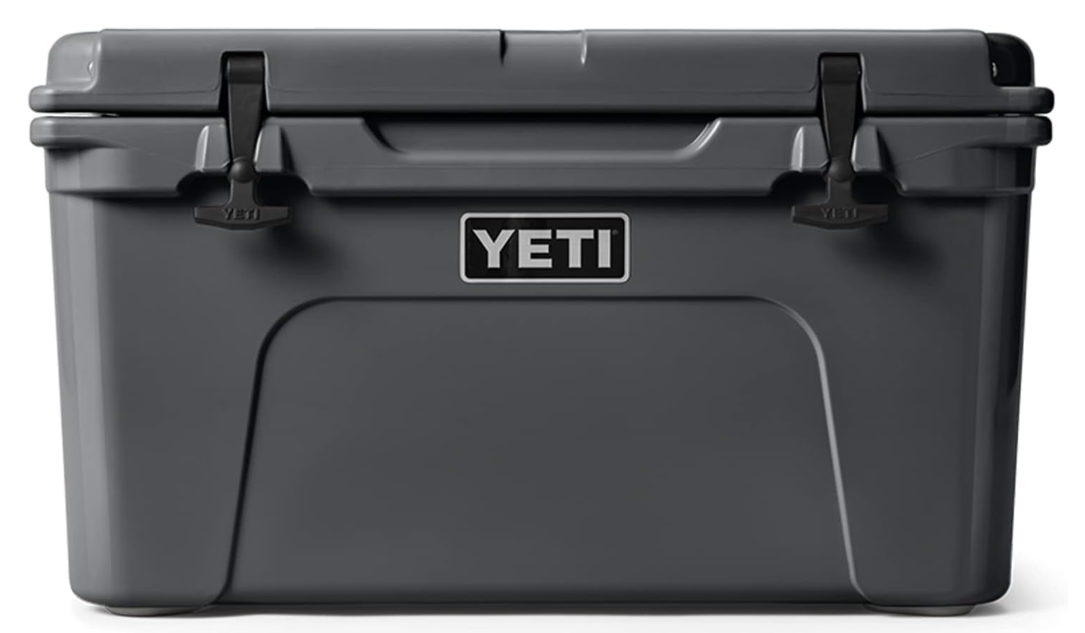
A good cooler makes all the difference. Hard-sided, insulated coolers like the RTIC Ultra-Light 52 Quart or YETI Tundra 45 can hold ice for several days—even in the sun. They’re built for long hauls and tough terrain.
2. 🧊 Freeze Food Before Leaving
Pre-freeze your meals, meats, and even bottles of water. They’ll act as both food and ice packs in one. Bonus: you don’t need to waste space on extra ice.
3. 🧺 Layer with Ice Packs and Dry Ice
Use reusable ice packs or dry ice at the bottom of your cooler. Dry ice keeps things colder longer, but must be handled carefully (wear gloves!). Layer your items with ice in between.
4. 📦 Organize for Efficiency
Keep frequently-used items near the top to reduce open time. Use labeled containers to avoid digging around and letting cold air escape.
5. 🕶️ Keep Your Cooler in the Shade
Even the best cooler loses its chill when exposed to direct sunlight. Bury it halfway in the ground, store it under trees, or cover it with a reflective emergency blanket.
6. 🚫 No Water Drainage
Don’t drain the cooler water unless absolutely necessary. Cold water helps insulate and maintain a lower temperature than empty air inside.
7. 📦 Use Two Coolers (If Possible)
Use one cooler for drinks and snacks (opened often), and another for meats and perishables (kept sealed). This keeps the “cold chain” unbroken for sensitive items.
8. 🧊 Use Salted Ice for Lower Temps
Add rock salt to your ice—it lowers the freezing point, making your ice bath colder and lasting longer. This trick is used by ice cream vendors!
9. 🍎 Bring Non-Refrigerated Alternatives
Pack foods that don’t need refrigeration like:
- Dehydrated fruits
- Canned beans or fish
- Nut butters and energy bars
Save your cooler space for essentials like meats and dairy.
10. 🧠 Know Your Limits
Plan your meals in order of perishability: eat fresh meat on night one, eggs and dairy next, then switch to dry and canned meals. If something smells off, don’t risk it.
🛠️ Gear You Need: Best Coolers for Camping
Here’s our handpicked list of trusted coolers that keep your food cold—even off-grid:
🧊 Must-Have Coolers for Keeping Food Cold While Camping
-
RTIC Ultra-Light 52 Quart Hard Cooler

Check it out on Amazon -
Arctic Zone Titan Deep Freeze Zipperless Hardbody Cooler

View on Amazon -
YETI Tundra 45 Cooler

Shop on Amazon -
Lifewit Collapsible Cooler Bag (32/48 Can Size)

See details on Amazon -
Coleman Classic Series Insulated Portable Cooler

Check price on Amazon
🧡 Support the Journey
Shopping through our affiliate links helps us keep this blog going. We only recommend gear we’d trust on the trail ourselves.
📥 Stay in the Loop
Subscribe to get new trail guides, gear reviews, and outdoor survival tips straight to your inbox. Never miss a post again.
📌 Pin this Guide!
Let other campers and adventurers discover these tips.
🧭 So pack smart, respect the land, and most importantly — stay safe out there, adventurer.